
The soft side of Asia: Under the Radar Destinations
“Some places don’t ask you to chase them — they unfold slowly, like a quiet breath, and let you arrive exactly as you are.”
Asia’s gentlest corners aren’t always the ones splashed across glossy travel magazines. Beyond Bali’s beach clubs and Bangkok’s neon, there are quieter pockets — places where the light falls softer, the landscapes feel untouched, and the rhythm of life slows to something beautifully human. These are the destinations where travelers find stillness, authenticity, and the kind of emotional texture that lingers long after the trip ends.
We will journey to the following destinations:
Fukuoka, Japan
Kanazawa, Japan
Penang, Malaysia
Taipei, Taiwan
Bishkek, Kyrgyzstan
Fukuoka, Japan
Fukuoka sits on the northern tip of Kyushu, acting as the region’s historic gateway to Asia. It’s known for its fantastic seafood, tonkotsu ramen, friendly locals, compact layout, and the ability to enjoy both mountains and sea within minutes. The city is divided into Hakata (historic merchant district) and Tenjin (shopping + culture), with the island of Nakasu glowing at night.

Best time to visit
The best time to visit Fukuoka is October–November and April, based on weather forecaster and tourism‑authority data. These months offer the most comfortable temperatures, the most sunshine, and the lowest rainfall — ideal for sightseeing, food stalls, parks, and coastal day trips.
Where to stay
lyf Tenjin Fukuoka
3-Star Hotel
lyf Tenjin Fukuoka is a stylish, community‑driven boutique hotel set in the lively Tenjin district — Fukuoka’s hub for shopping, cafés, nightlife, and easy metro access. Guests consistently praise its central yet quiet location, just steps from Tenjin Underground Mall, gourmet streets, and multiple subway stations. The aesthetic is playful, modern, and youthful, with colorful murals, creative common spaces, and a social vibe that blends co‑living with boutique‑hotel comfort.
The hotel offers compact studio‑style rooms (various twin and double configurations) designed with smart layouts, city views, work desks, and cheerful décor. Amenities include a rooftop terrace, a shared kitchen, a restaurant and bar, laundry facilities, and excellent free Wi‑Fi. Travelers highlight the friendly staff, the organized communal areas, and the convenience of having everything — cafés, markets, nightlife, and transport — within a short walk. It’s a great fit for solo travelers, digital nomads, and anyone who loves a vibrant, design‑centric stay in one of Japan’s most relaxed coastal cities.


HILLTOP RESORT FUKUOKA
4-Star Hotel
Hilltop Resort Fukuoka is a serene urban‑resort perched on a quiet hill above downtown Fukuoka, offering sweeping city views while still being just minutes from Hakata Station and the city’s cultural core. The resort blends nature and mid‑century elegance, with spacious public areas, a garden terrace, and a calm, restorative atmosphere. Guests can enjoy a full wellness program including a spa, sauna, massage services, and a large public bath with floor‑to‑ceiling windows overlooking the city. Dining is a highlight, with Hilltop Dining and KOYOMI Japanese restaurant showcasing Kyushu ingredients and seasonal cuisine. Rooms range from Western‑style to traditional Japanese suites with futon bedding, all featuring high‑quality finishes, flat‑screen TVs, fridges, and thoughtful amenities. The property offers free parking, a library lounge, a gift shop, and a complimentary shuttle from Hakata Station, making it an easy, tranquil escape that still feels deeply connected to the city.


The Ritz-Carlton, Fukuoka
5-Star Hotel
The Ritz‑Carlton, Fukuoka rises above the city in the main tower of Fukuoka Daimyo Garden City, offering sweeping views of Hakata Bay and placing guests within 15 minutes of Fukuoka Airport, Hakata Station, and Hakata Port. Inside, the hotel blends modernist luxury with local heritage, weaving Hakata‑ori textile motifs and bamboo‑inspired details throughout its spaces. Its 147 rooms and 20 suites sit high on the 19th–23rd floors, each beginning at a generous 50 square meters and framing views of the bay, skyline, or nearby parks. Five restaurants and bars celebrate Kyushu’s land‑and‑sea ingredients — from Iki Island black beef to Genkai Sea seafood — while the top‑floor Club Lounge offers all‑day culinary presentations and dedicated concierge service. A serene ESPA‑powered spa occupies the 24th floor, delivering holistic treatments in a quiet sanctuary above the city. The overall aesthetic is refined, warm, and deeply rooted in Kyushu’s craft traditions, creating an oasis of calm in the heart of Fukuoka.


Top Things to See & Do

Dazaifu Tenmangu Shrine — Fukuoka’s most famous attraction, home to 6,000 plum trees that bloom spectacularly in spring.
Ohori Park — A serene lake park perfect for walking, boating, and photography; open 24 hours.
Fukuoka Tower — A modern seaside skyscraper with panoramic views of the city and Hakata Bay.
Nakasu District — The city’s nightlife hub, full of neon, bars, and riverside energy.
Yatai Food Stalls — Fukuoka’s iconic open‑air ramen and street‑food stalls, recognized globally by Lonely Planet and The New York Times.
Itoshima Peninsula — Sandy beaches, surf culture, and seaside cafés — one of Kyushu’s most scenic coastal escapes.
Yanagawa Canal Boats — A peaceful day trip featuring traditional punting and fresh eel dishes.
Kanazawa, Japan
Kanazawa is one of Japan’s most beautifully preserved cultural cities — a place where samurai districts, geisha teahouses, gold‑leaf artisans, and one of Japan’s most iconic gardens all sit within a compact, walkable center. Historically the seat of the powerful Kaga clan, Kanazawa became a major hub of fine arts and craftsmanship during the Edo period and remains a dream destination for travelers who love heritage, design, and slow, atmospheric city wandering.

Best time to visit
Kanazawa is at its most beautiful in autumn (October–November), when crisp air, golden foliage, and clear skies transform Kenroku‑en and the samurai districts into glowing, painterly scenes. Spring is equally enchanting, especially late March to early April, when cherry blossoms frame the castle and teahouse lanes in soft pink. Summer brings lush greenery but also humidity and occasional rain, while winter wraps the city in quiet snow, turning gardens and wooden streets into serene, lantern‑lit vignettes. For comfortable weather, rich color, and the most cinematic atmosphere, autumn and spring are the city’s standout seasons.
Where to stay
Hotel Torifito Kanazawa
3-Star Hotel
Hotel Torifito Kanazawa is a relaxed, modern stay just a short walk from Kanazawa Station, making it an easy base for exploring Omichō Market, Kenroku‑en, and the samurai districts. The hotel has a streamlined, contemporary aesthetic — simple lines, soft neutrals, and a calm, efficient atmosphere that feels more polished than a typical business hotel. Rooms are compact and functional, with flat‑screen TVs, kettles, and mini‑fridges, while upgraded rooms add sofas and family rooms feature playful bunk beds. Amenities include single‑sex communal bathhouses, a casual restaurant, and a coin‑operated laundry, creating a comfortable, practical home base for travelers who want convenience without sacrificing design.


Tatsunokuchi Onsen Matsusaki
4-Star Hotel
Tatsunokuchi Onsen Matsusaki is an elegant, heritage ryokan set beside the quiet hot‑spring town of Tatsunokuchi, surrounded by a sprawling traditional garden that gives the entire property a serene, old‑Japan atmosphere. The aesthetic is refined and timeless — tatami floors, shoji screens, warm wood, and garden‑view rooms that feel deeply connected to nature. Accommodations range from classic tatami rooms to suites with Western beds and private open‑air baths, all offering tea sets, minifridges, and soft, minimalist décor. Guests can enjoy gender‑segregated hot‑spring bathhouses with mountain views, a sauna, open‑air rotenburo, a tea lounge, two casual bars, and seasonal Japanese dining highlighting local Ishikawa ingredients. With its peaceful setting, thoughtful hospitality, and traditional architecture, Matsusaki delivers a restorative ryokan experience just outside Kanazawa.


Tsuruko
5-Star Hotel
Tsuruko is an ultra‑intimate, four‑suite Japanese auberge in central Kanazawa, just minutes from Kenroku‑en and the teahouse districts, designed for travelers who want a deeply private, culinary‑driven stay. Each suite spans over 90 square meters and blends modern minimalism with traditional craftsmanship — tatami textures, soft woods, shoji‑filtered light, and a private open‑air onsen bath that lets you feel the outside air even in the heart of the city. The experience centers around Kaga kaiseki: seasonal dishes prepared in the adjoining kappo kitchen and served directly in your suite’s private dining room, allowing you to enjoy an uninterrupted, quietly luxurious meal without ever encountering other guests. With its refined aesthetic, thoughtful hospitality, and rare sense of seclusion, Tsuruko feels like a hidden retreat — a contemporary expression of Kanazawa’s culinary and cultural heritage.


Top Things to See & Do in Kanazawa

Kenroku‑en Garden
One of Japan’s “three perfect gardens,” designed to be beautiful in every season — plum blossoms, cherry blossoms, irises, autumn foliage, and winter snow lanterns.
Higashi Chaya District
A historic geisha district with wooden teahouses, gold‑leaf shops, and narrow lanes glowing softly at night.
Nagamachi Samurai District
Cobblestone streets, earthen walls, and preserved samurai residences that offer a glimpse into Edo‑period life.
Kanazawa Castle Park
The former seat of the Kaga domain, located beside Kenroku‑en — a must for history lovers.
Kazuemachi & Nishi Chaya Districts
Smaller, quieter teahouse districts perfect for photography and slow exploration.
Tsuzumi‑mon Gate (Kanazawa Station)
A striking modern wooden gate modeled after traditional drums — one of Japan’s most beautiful station entrances.
Penang, Malaysia
Penang is a sun‑kissed state on Malaysia’s west coast, made up of Penang Island and Seberang Perai on the mainland, connected by Asia’s longest bridges. It’s often called the Pearl of the Orient, celebrated for its fusion of Malay, Chinese, Indian, Arab, and European influences — visible in its food, architecture, and festivals. George Town, the island’s capital, is a UNESCO World Heritage Site filled with pre‑war shophouses, clan jetties, temples, mosques, and vibrant street‑art lanes.
Across the island, travelers move between heritage streets, rainforest‑fringed beaches, and hilltop viewpoints. Penang Hill offers panoramic rainforest canopy walks, while Penang National Park protects hundreds of flora and fauna species along untouched coastal trails.

Best time to visit
The best time to visit Penang is January through March, when the weather is dry, sunny, and ideal for exploring George Town’s heritage streets, beaches, and hill viewpoints. These months offer the clearest skies and the most comfortable conditions, with festive energy lingering after Chinese New Year. For quieter travel and better hotel rates, September to November is a beautiful shoulder season—just expect occasional tropical showers, especially in October.
Where to stay
OZO George Town Penang
3-Star Hotel
OZO Georgetown Penang is a modern, upbeat hotel set just steps from George Town’s UNESCO‑listed heritage streets, offering a polished, contemporary stay with easy access to cafés, street art, markets, and Penang’s top attractions. Rooms are bright, streamlined, and designed around comfort — blackout curtains, superb bedding, noise‑proofing, and city or ocean views — with family suites available for larger groups. Guests love the hotel’s rooftop pool on the 22nd floor, which overlooks the Penang skyline, along with its fitness room, all‑day dining, and quick, paperless check‑in. Reviews consistently highlight the friendly staff, excellent location, and clean, modern rooms, making OZO a reliable, stylish base for exploring George Town’s food, culture, and coastal charm.


1926 Heritage Hotel Penang By The Unlimited Collection
4-Star Hotel
1926 Heritage Hotel Penang By The Unlimited Collection offers a charming, colonial‑era stay along Jalan Burma in George Town, blending vintage architecture with a relaxed, nostalgic atmosphere. The property dates back to 1926 and retains its old‑world character through shuttered windows, long verandas, and heritage‑style details, while rooms remain simple, unfussy, and comfortable — ideal for travelers who value history over modern flash. Guests appreciate the outdoor pool, the themed café/bar, and the convenient location close to George Town’s food streets and heritage attractions. It’s a budget‑friendly, character‑rich option for travelers who want a classic Penang stay with easy access to the city’s cultural core.


88 Armenian
5-Star Hotel
88 Armenian is one of George Town’s most charming boutique stays — a beautifully restored heritage shophouse with a perfect location on Lebuh Armenian, right in the heart of Penang’s UNESCO district. The hotel has an intimate, design‑forward feel: polished wood, soft lighting, curated décor, and a warm, quiet atmosphere that contrasts with the lively heritage streets just outside. With a reputation for exceptional hospitality, it’s ideal for travelers who want a stylish, character‑rich base steps from cafés, murals, clan jetties, and Penang’s best food streets.


Top Things to Do in Penang

Penang Hill
Ride the funicular up to cool breezes, rainforest canopy walks, and sweeping island views — gorgeous at sunrise or golden hour.
Kek Lok Si Temple
Malaysia’s largest Buddhist temple, filled with pagodas, lanterns, and hillside terraces overlooking Air Itam.
George Town Heritage Walks
Armenian Street, Love Lane, clan jetties, shophouses, murals, cafés — the city’s most atmospheric, photogenic core.
Pinang Peranakan Mansion
A lavish 19th‑century home showcasing Peranakan culture, antiques, and ornate architecture.
Clan Jetties (Chew Jetty)
Historic stilt‑house communities along the waterfront — perfect for slow wandering and photography.
The TOP Penang
Skywalk, aquarium, and panoramic city views — fun for families and skyline lovers.
ESCAPE Penang
Zip lines, slides, rope courses, and outdoor adventure in Teluk Bahang.
Entopia Butterfly Farm
A lush indoor‑outdoor nature sanctuary with butterflies, insects, and beautifully designed exhibits.
Taipei, Taiwan
Taipei blends Chinese heritage with strong Japanese, Southeast Asian, and American influences, creating a city that feels global yet deeply local. It sits in a basin surrounded by mountains, making nature incredibly accessible — you can wander a century‑old street in the morning, hike a forest trail in the afternoon, and end the night at a bustling night market.

Best time to visit
The best time to visit Taipei is during spring (March–May) and autumn (October–November), when the weather is mild, rainfall is lower, and the city is perfect for walking, night‑market exploring, and day trips into the mountains. Spring brings blooming parks and comfortable temperatures, while autumn offers clear skies, low humidity, and ideal conditions for hiking and hot‑spring escapes.
Where to stay
Rido Hotel
3-Star Hotel
Rido Hotel is a polished, old‑world‑style hotel in Da’an District, directly facing Da’an Forest Park and just a minute’s walk from the MRT. Some room types feature four‑poster beds, whirlpool tubs, or Balinese‑style décor, giving the property a slightly romantic, vintage feel. Free breakfast and parking add value, and its position between Da’an and Xinyi makes it easy to reach Taipei 101, Zhongxiao shopping streets, and West Taipei’s heritage zones.


Suz & Catorze Taipei, a Tribute Portfolio Hotel
4-Star Hotel
Suz & Catorze Taipei, a Tribute Portfolio Hotel is a sleek, design‑forward boutique hotel in Wanhua District, blending polished contemporary interiors with riverfront views and quick access to Taipei’s creative and cultural core. Fresh search results show it carries a 4.4 rating from 624 reviews, with guests praising its elegant rooms, modern amenities, and excellent location near Taipei Cinema Park and the Red House. Rooms are refined and minimalist, with upgraded categories offering Tamsui River views. The hotel features a fitness center, a stylish café, and a restaurant overlooking the river — plus complimentary parking, which is rare in central Taipei. It’s an ideal base if you want a modern, boutique‑luxury stay within walking distance of Ximending’s energy and West Taipei’s heritage streets.


Capella Taipei
5-Star Hotel
Capella Taipei is one of the city’s most anticipated luxury openings — a serene, design‑driven urban retreat in Xinyi District, steps from Taipei 101, high‑end shopping, and the city’s sleekest dining scene. True to Capella’s signature style, the property blends contemporary elegance with warm, ultra‑personalized service, creating a calm sanctuary in the middle of Taipei’s most modern neighborhood.
Inside, you can expect spacious, refined rooms, soft neutral palettes, curated art, and floor‑to‑ceiling windows framing the skyline. Suites lean into residential luxury with thoughtful touches, while wellness spaces, a destination spa, and polished dining round out the experience. Its location in Xinyi makes it ideal for travelers who want luxury, convenience, and Taipei’s best city views all in one place.


Top Things to Do in Taipei

Taipei 101 — Iconic skyscraper with observatories and luxury shopping.
Elephant Mountain — A short hike with one of the best skyline views in Asia.
Chiang Kai‑shek Memorial Hall — Grand architecture, gardens, and cultural exhibitions.
Liberty Square Archway — A historic landmark beautifully lit at night.
Dadaocheng & Dihua Street — Heritage shophouses, tea shops, textiles, and creative studios.
Shilin Night Market — Taipei’s largest night market with endless street food.
National Palace Museum — One of the world’s greatest collections of Chinese art.
Songshan & Huashan Creative Parks — Trendy cultural hubs with cafés, exhibitions, and indie shops.
Bishkek, Kyrgyzstan
A land of 90% mountains, Kyrgyzstan feels like a cinematic blend of Switzerland, Mongolia, and the Silk Road. It’s known for its emerald valleys, glacier‑fed lakes, yurts, horses, and wide‑open landscapes that look untouched by time. Travelers come for trekking, culture, and the feeling of being somewhere truly wild and authentic.

Best time to visit
The best time to visit Kyrgyzstan is June–September, when the weather is warm, the mountain passes are open, and the country’s famous alpine lakes and yurt camps are fully accessible. June and September are especially lovely — greener landscapes in early summer and golden valleys in early autumn — while July and August offer peak trekking conditions. If you prefer quieter travel, May and October bring cooler temperatures and fewer crowds, though some high-altitude routes may still be closed.
Where to stay
EcoHouse Glamping
Glamping
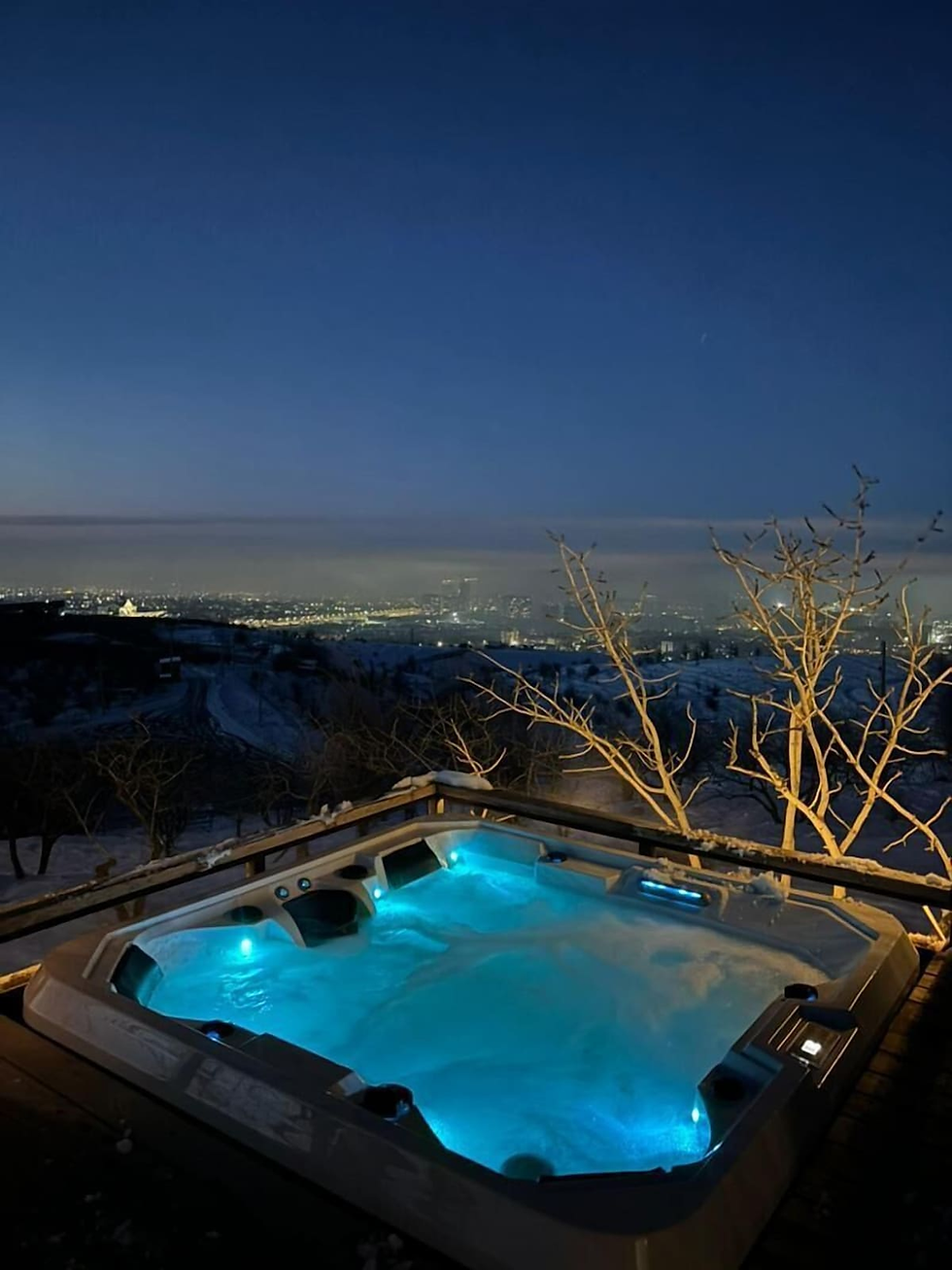
EcoHouse Glamping is a highly rated, nature‑focused stay in Orto‑Say, Bishkek, offering a cozy, eco‑styled glamping experience with mountain views and a peaceful, village‑like atmosphere. It’s ideal for travelers who want a calm, outdoorsy base near Bishkek — think wooden cabins, garden spaces, fresh air, and a retreat‑like vibe while still being close enough to reach the capital’s cafés and landmarks.


Novotel Bishkek City Center
4-Star Hotel
Novotel Bishkek City Center is one of the city’s top modern hotels — a polished, international‑style stay with excellent amenities and a central location. It is one of the highest‑rated full‑service hotels in Bishkek. Travelers love Novotel Bishkek City Center because it delivers a polished, international level of comfort right in the heart of the city. The rooms feel modern and well‑designed, the breakfast and on‑site dining are consistently praised, and the wellness facilities — including the indoor pool, sauna, hammam, and spa — make it an easy place to unwind after exploring Bishkek. Guests also appreciate the reliable service, strong Wi‑Fi, and the convenience of being within walking distance of cafés, shops, and major landmarks. It’s the kind of hotel that feels effortless: clean, contemporary, and comfortable, with everything you need in one place.


Sheraton Bishkek
5-Star Hotel
Sheraton Bishkek is one of the city’s most prominent international hotels — a polished, full‑service stay that blends modern comfort with a central, convenient location. Travelers like it because it delivers that familiar Sheraton consistency: spacious rooms, a sleek lobby, a good breakfast spread, and reliable service. The rooftop restaurant and bar are a standout, offering panoramic views over Bishkek’s skyline and the surrounding mountains, making evenings feel especially atmospheric. Guests also appreciate the hotel’s wellness facilities, including the pool, spa, and fitness center, which add a sense of retreat after busy days in the city. Its position near shops, cafés, and major landmarks makes it an easy, dependable base for exploring Bishkek without sacrificing comfort.


Top Things to Do in Bishkek

Ala‑Too Square
The cultural heart of the city — fountains, monuments, wide boulevards, and that cinematic Central Asian atmosphere.
Panfilov Park
Leafy paths, vintage amusement rides, and a relaxed local vibe. Perfect for slow wandering and people‑watching.
Osh Bazaar
Spices, dried fruits, textiles, traditional goods — chaotic, colorful, and essential for capturing Kyrgyz everyday life.
Victory Square
A dramatic WWII memorial with sweeping arches and an eternal flame. Beautiful for photography at golden hour.
State History Museum
Soviet architecture meets Silk Road heritage — a great primer on Kyrgyz culture.
Erkindik Boulevard
A long, tree‑lined pedestrian street filled with cafés, art, and weekend markets.
ZUM Shopping Center & Surrounding Streets
Retro Soviet‑era mall energy mixed with modern shops — fun for browsing and people‑watching.
Best Things to Do Near Bishkek
Ala Archa National Park (40 min)
Snow‑capped peaks, waterfalls, pine forests — one of Central Asia’s most beautiful national parks. Ideal for hiking or scenic picnics.
Konorchek Canyons (1 hr 30 min)
Red‑rock formations and desert‑meets‑mountain landscapes. A quieter, dramatic alternative to Jeti‑Ögüz.
Burana Tower (1 hr)
A Silk Road landmark with sweeping valley views and ancient stone petroglyphs.
Issyk‑Ata Hot Springs (1 hr)
Natural hot springs in a mountain valley — rustic, atmospheric, and soothing after long hikes.
Chunkurchak Gorge (45 min)
Green valleys, yurts, cafés, and panoramic views — an easy nature escape close to the city.
Ski Resorts (Winter)
Karakol and Jyrgalan are farther (5–6 hrs) but worth noting for winter travelers.


Comments